

5
Advertisement
Dynamic and fluid combat system for engaging battles.
Procedurally generated levels provide endless replayability and variety.
Permanent upgrades enhance player abilities across multiple runs.
Wide array of weapons and abilities for strategic combat.
Challenging boss battles test player skills and adaptability.
Permadeath may frustrate less experienced or patient players.
Randomness in level generation can lead to frustration.
Steep learning curve may discourage new players initially.
Boss difficulty may be too challenging for some.
Lack of a traditional save system may inconvenience players.
Advertisement
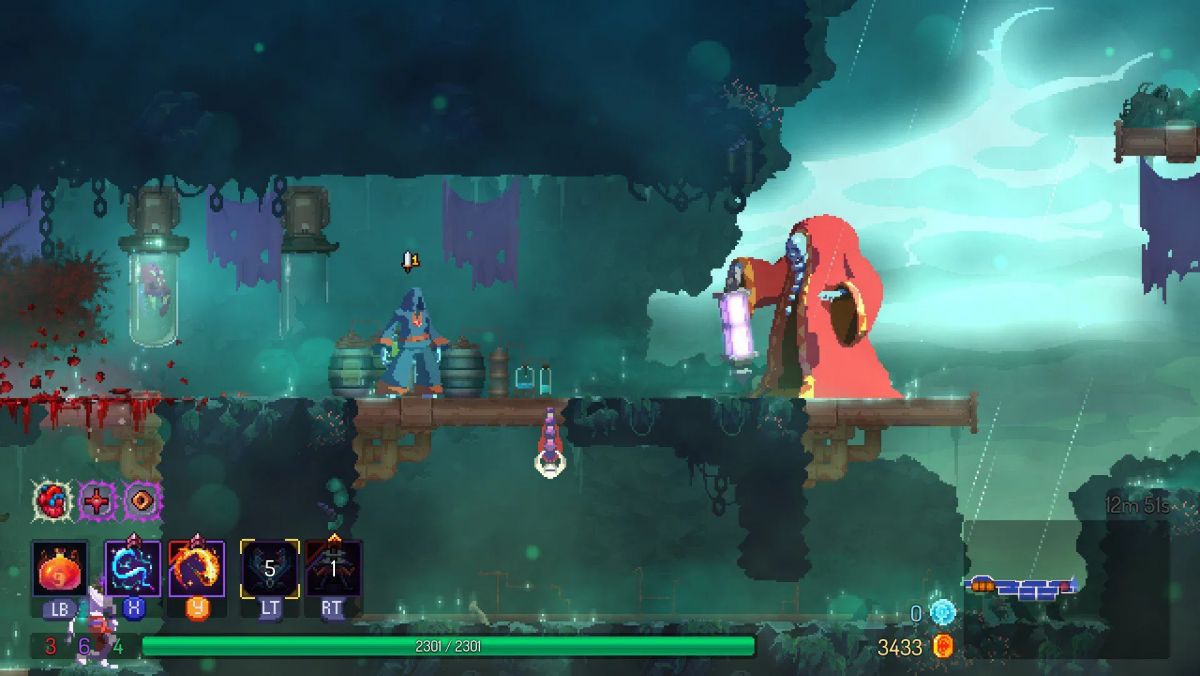
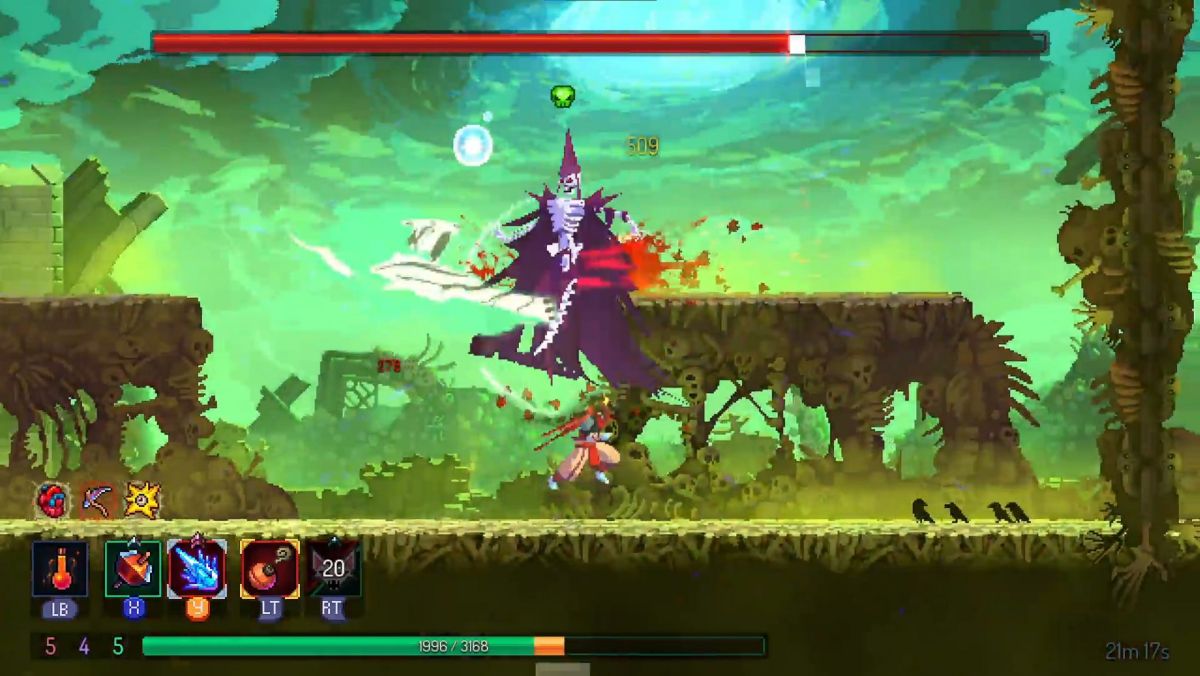
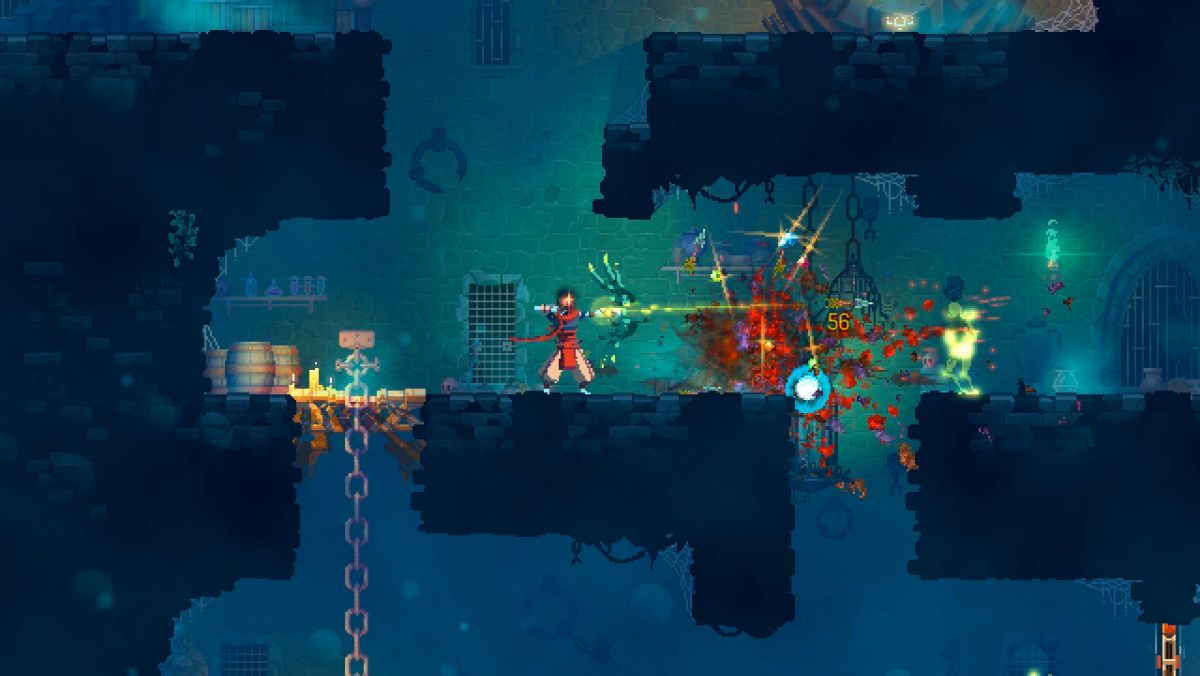
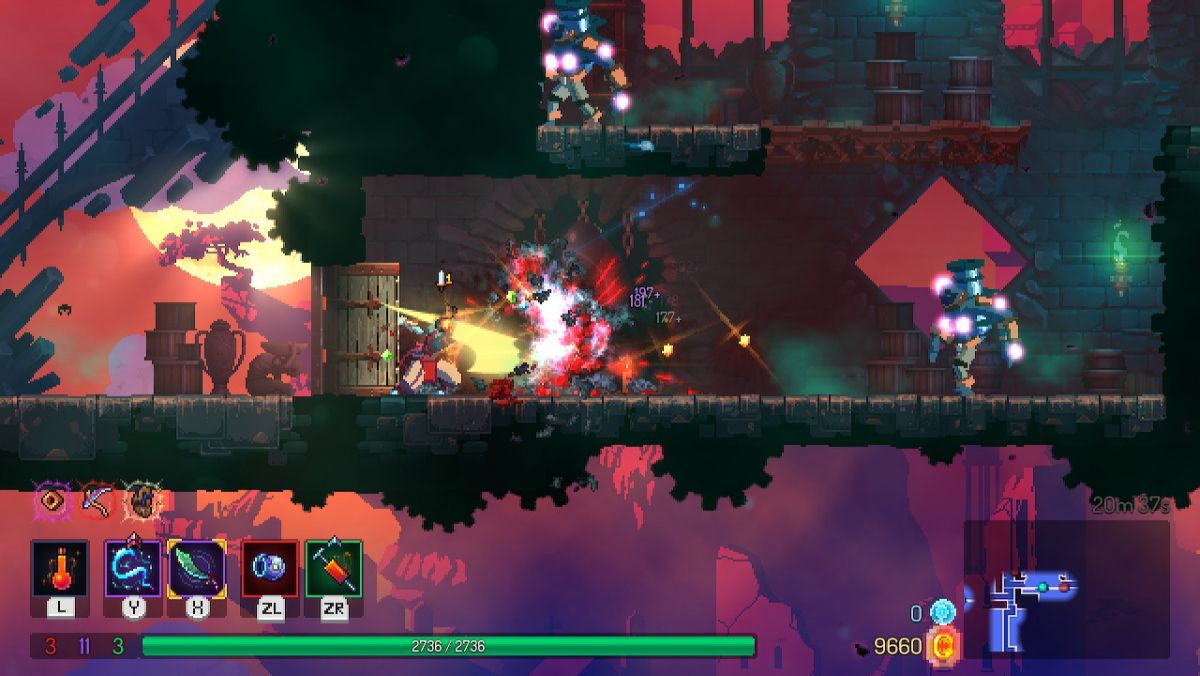
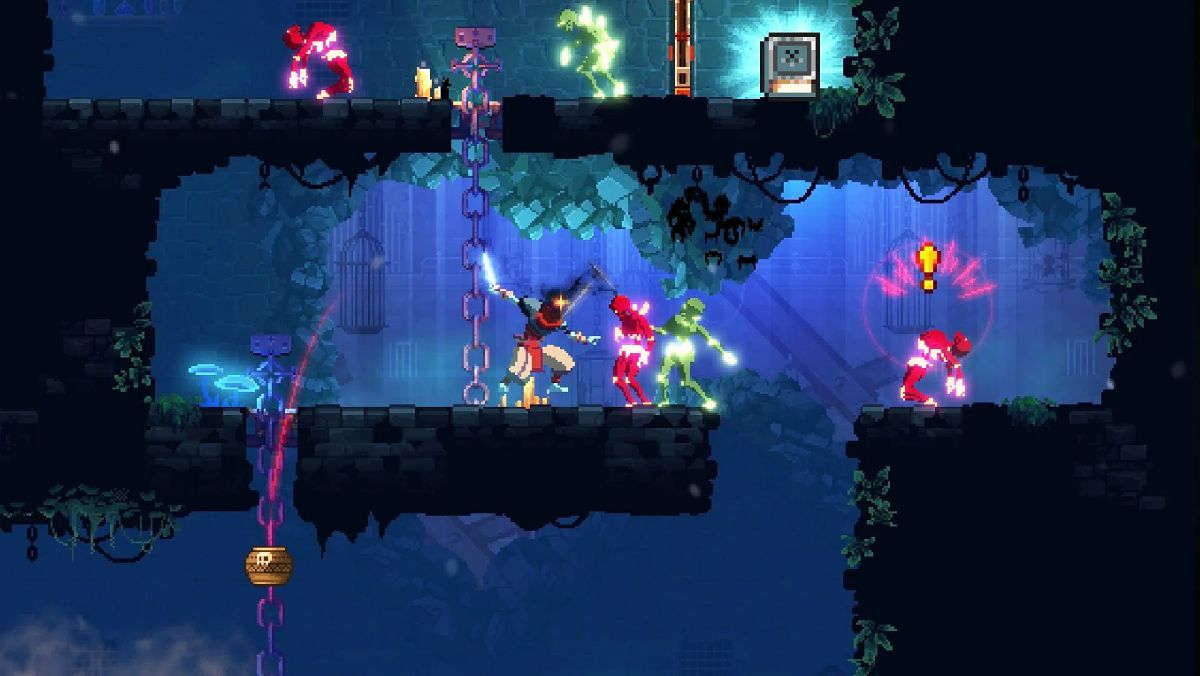
"Dead Cells" was developed by Motion Twin, an independent game development studio based in Bordeaux, France. The game falls under the roguelike-metroidvania genre, combining challenging combat, exploration, and procedural generation.
Gameplay Contents:
1. Roguelike Metroidvania:
"Dead Cells" combines the elements of roguelike and metroidvania genres. The game features procedurally generated levels, permadeath mechanics, and interconnected environments.
2. Fluid Combat System:
The game boasts a fast-paced and fluid combat system. Players control a reanimated corpse exploring the interconnected world, engaging in intense battles with a variety of enemies.
3. Procedural Generation:
Levels in "Dead Cells" are procedurally generated, providing a fresh experience with each playthrough. This randomness adds to the game's replayability, keeping players on their toes.
4. Permanent Upgrades:
While each run has permadeath, players can earn cells (in-game currency) during runs. These cells can be spent on permanent upgrades, making subsequent runs more manageable.
5. Variety of Weapons and Abilities:
The game offers a wide array of weapons and abilities for players to discover and wield. Experimenting with different combinations adds strategic depth to the combat.
6. Exploration and Backtracking:
Exploration is a key component, and backtracking is encouraged as new abilities unlock previously inaccessible areas. Discovering secrets and hidden paths is crucial for progression.
7. Boss Battles:
"Dead Cells" features challenging boss battles at the end of each level. These encounters test the player's skills and often require learning attack patterns for successful completion.
What Players Should Pay Attention To:
1. Timing and Dodging:
Master the art of timing and dodging to evade enemy attacks. Precision in movement is essential for survival, especially in challenging encounters.
2. Permanent Upgrades:
Invest cells wisely in permanent upgrades. Choose upgrades that align with your preferred playstyle and enhance your overall survivability across runs.
3. Exploration:
Thoroughly explore levels for hidden areas, secrets, and valuable items. Backtracking with new abilities can unveil shortcuts and unlock new paths.
4. Weapon Combinations:
Experiment with different weapon and ability combinations. Finding synergies between equipment enhances your combat effectiveness and adaptability in various situations.
5. Learning Boss Patterns:
Boss battles require patience and learning attack patterns. Understanding the movements and attacks of bosses is crucial for success in these challenging encounters.
6. Risk and Reward:
Assess risks and rewards during runs. Certain paths may lead to tougher enemies but offer better loot. Balancing risk and reward is key to efficient progression.
7. Environmental Hazards:
Be mindful of environmental hazards. Some levels feature traps and obstacles that can be used strategically against enemies or pose threats to the player.
"Dead Cells" offers a challenging and rewarding roguelike-metroidvania experience. Players should pay attention to timing, permanent upgrades, exploration, weapon combinations, learning boss patterns, risk and reward assessment, and environmental hazards to navigate the interconnected world and overcome the challenges it presents.

View

View

View

View

View

View

View

View

View

View

View

View

View

View

View